
Avoiding the Giants

On The Home Front
We experienced some pretty significant storms here in Wellington last week, to the point we ended up staying indoors for about three days. Because we were preoccupied and hadn’t been online or following the news, we didn’t really have an understanding of the true scale of events until we started getting texts and emails from family and friends (including overseas), wanting to know if we were safe.
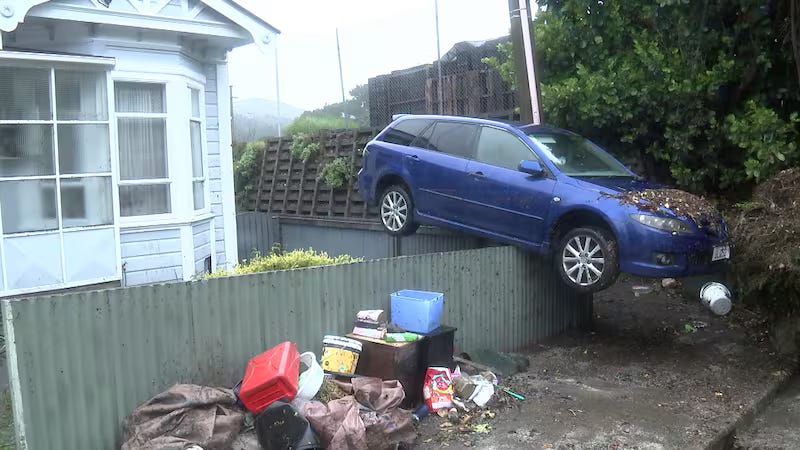
Initially, smart-ass that I am, I was sending back responses along the lines of ‘Yes, it’s terrible! The pinot gris has run out and we’re down to the last packet of foie gras.” When I realised there was significant flooding in the city and people were being evacuated, it all became a bit more sobering of course.
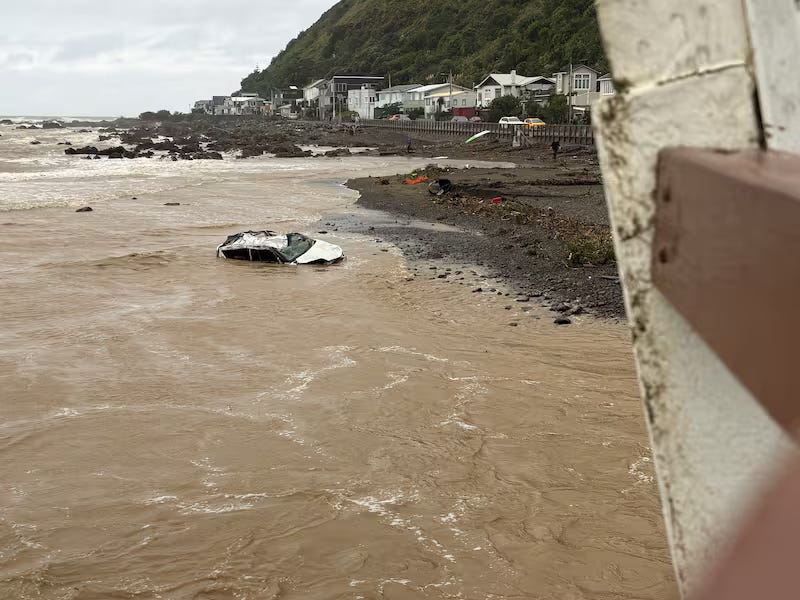
Fortunately, the area in which we’re located saw very little impact from the storm. Since then, the sun’s returned and we’ve had a week of cloudless sunshine. Perfect in fact, except for the fact that, suddenly, it seems to be winter. Temperatures have dropped. It’s dark in the mornings, we’re turning the electric blankets on at night, but, well … in the scheme of things, it could be a hell of a lot worse, particularly given what other have gone through. The sad reality is that climate change means rainfall is now far more erratic and intense than it’s ever been before. Over the next decade (and beyond), it’s going to get worse before it gets better.
The City Beneath her Feet - Graphic Novel
In Production
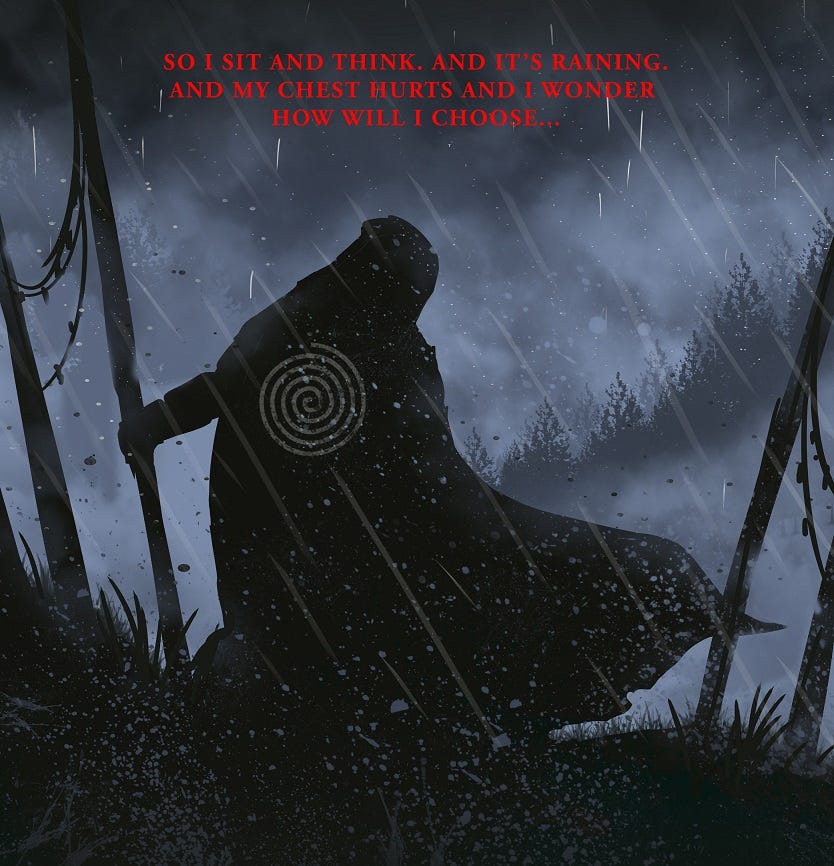
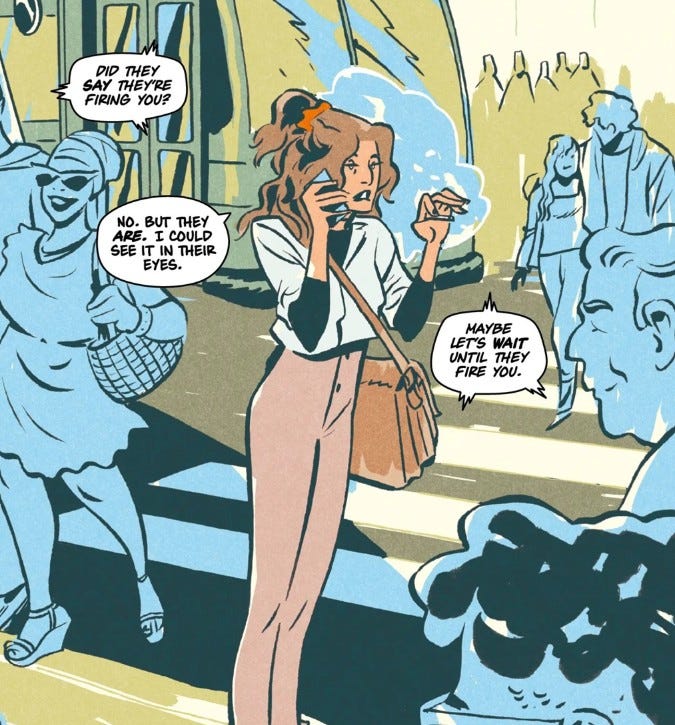
I’m still fully focussed on ‘Liath Luachra: The Quiet One’ and Chapter Four’s gone off for editing while I continue work on Chapters 5 and 6. Other responsibilities (a curse on you, real life!) meant I’ve not had sufficient headspace for any other creative endeavours beyond that. There’s nothing more I’m willing to add on this project until I’m well into Chapter Seven, at least.
Last month, I did say that I’d cover the upcoming ‘Beara: Cry of the Banshee’ in this month’s newsletter. Unfortunately, that’s now had to be postponed until next month.
Next week, I’m back to concentrated freelance work which will probably eat up a lot of my time. Fortunately, I’ll also have more time to myself in the evenings and on the weekends, so I’m hoping things will balance out.

Paparoa
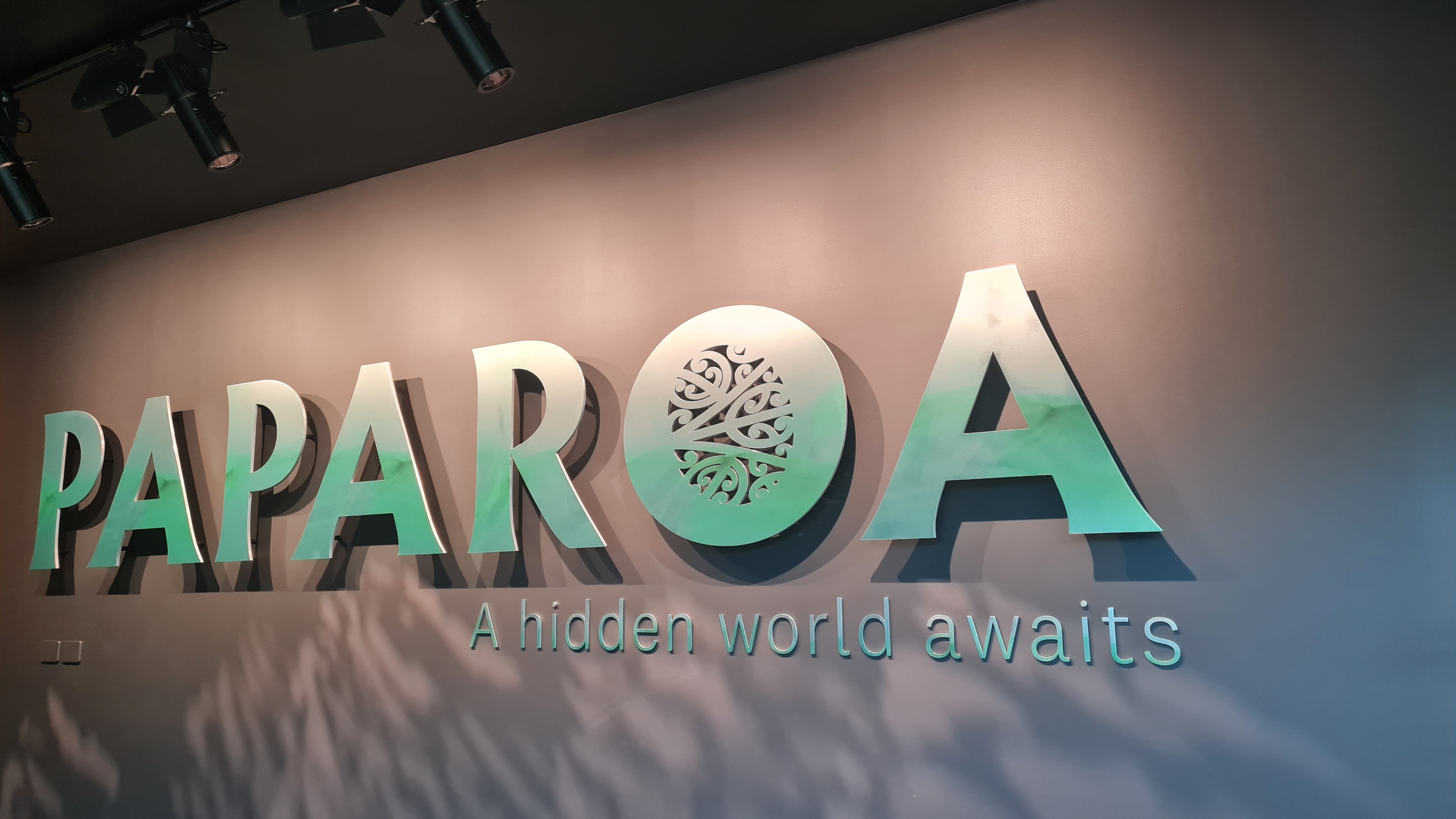
Three months back, we were doing some research down in New Zealand’s South Island and took the opportunity to call into The Paparoa Experience - a multi-sensory, interactive exhibition run out of the Punakaiki Visitor Centre. Paparoa is quite interesting in that it not only provides an immersive look into the development of the Paparoa National Park but covers it from a Ngāti Waewae perspective, including the creation stories for pounamu and the local ‘Pancake Rocks’. [Note: just for clarity, Ngāti Waewae are the local hapū (sub-tribe) and the mana whenua (territorial rights holders) on the northern part of the West Coast. They’re also the owners of the Paparoa Experience.]
You’ve always got to be careful with interpretation centres. That’s because, sometimes, they’re run predominantly as commercial tourism ventures and when that happens, the commercial presentation is often promoted at the detriment of the actual culture being presented. The Giant’s Causeway Visitor Information Centre in County Antrim, for example, is a classic example of how not to do it.
From my perspective, The Paparoa Experinece visit was particularly worthwhile. I think one of the reasons for this was the effective representation of cultre, and that was porbably because that representation was controlled and carried out by the very people who’s culture was being presented (unlike the Giant’s Causeway Visitor Information Centre which is controlled by the Bristish Trust - that’s a giant its best to avoid).
From my perspective, The Paparoa Experience visit was particularly worthwhile because it was actually run by the people (Ngāti Waewae) whose culture was being presented (unlike the Giant’s Causeway Visitor Information Centre which is controlled by the Bristish Trust – now that’s a giant its sometimes best to avoid).
Obviously, Māori culture and Irish culture are unique and very different (although they certainly have commonalities), nevertheless, I always come away from such visits with threads to follow up on with regard to my own cultural research. In other words, for me, visiting these kinds of places serves as a kind of ‘whiteboard brainstorming’ moment for creative work that I don’t get anywhere else.
I don’t want to share or detract from from Ngāti Waewae’s hard work and investment but here’s a snippet of the creation story for pounamu (Greenstone, particular ot New Zealand). Highly recommended if you ever get down that way. You can find their website HERE.
To AI or not to AI
Over the last ten years or so, the Irish Imbas website and newsletter have picked up a body of what we tend to call ‘Celtic dead weight’ – that’s essentially people who follow Irish Imbas, not because they particularly enjoy my books or support what I do, but because they’re interested in the cultural knowledge I use as the basis for my creative work. That’s usually with the purpose of using that for their own creative projects. Normally, that doesn’t overly bother me but last weekend, one of them - an American writer of ‘Celtic’ books – surprised me by jumping onto my Facebook page to throw out accusations of (I think) lack of authenticity, because I’d used AI images in my post.
From my perspective, people who write lengthy comments on Facebook are …well, they’re not exactly the sharpest hammer in the toolbox. The Facebook platform isn’t designed for meaningful communication or complex topics so, as a rule, when someone starts pushing whatever they’re pushing, I simply delete and block with little (or no) engagement. I’m simply uninterested in emotive keyboard warriors on social media.
That said, the incident did make me think about the different ways in which creative people make use (or don’t make use) of AI for their creative works. This is actually quite a complex issue in that it forces you to meld personal values, political beliefs, practical commercial options, the available technology, and many other issues together in a bizarre kind of Rubix Cube of decision-making framework.

I’ve been trying to analyse and work my way through this nightmare (foisted on us without warning by unregulated American Tech Giants) over the last year or so, and I’ve managed to come to a firm conclusion on some aspects of the issue. There are however, other aspects I’m still undecided on, either because I don’t have the information I need as yet or because I have limited options available.
This situation tends to be particularly difficult for authors in that before you even look at AI, you first have to apply your personal values, political beliefs, practical commercial options, the available technology, yadda yadda, across the wider dynamics of the commercial English language book market first. If you don’t do that, then there’s no way to develop any kind of consistent approach to AI. Even then, your options are increasingly limited as all the tools you used to use, are increasingly getting replaced by AI products.
As a general statement, however, I can confirm that none of my writing is assisted by AI. I write everything. From the initial plot scope to the initial drafts and the ‘close-to-final’ drafts. There’s a whole range of reasons for this, but at its most fundamental – the creative process uses creative muscle and like all muscle, if you don’t use it, you lose it. Having learned and developed these skills over the course of thirty years or so, I’m not that interested in dropping them just because some tax-evading Tech Giant tells me I have to use their tools to partake in a consistently dwindling market.
I’m probably luckier than others in that, at the end of the day, the goals or the Tech Giants don’t really align with my own. As a result, I probably have the luxury of being able to avoid them and still achieving what I want to achieve. The problem, of course, is that this is a rapidly evolving area, and technology forms only a small part of the overall issue. At present, for example, there’s a huge international drive to replace the American Tech Giant software /tools with alternatives that aren’t so socially destructive, and huge developments are already happening in that space. Once again, however, all this new flux is going to drive new considerations and ethical/value choices, not only for author/publishers like myself, but for the people who ultimately choose to buy/read the published products.
The End
That’s all I’ve got for April 2026.
This months ‘paid’ section contains:
The next instalment of Beara: Cry Of The Banshee - Part One
A virtual tour of Beara and the places I use in the book (time pressure means this will come to you in a separate email early next week)
An extra piece on my research at the Paparoa Experience and how it helps me work out ancient Irish practices
Until next month …
Slán go fóill!

